

Residential Irrigation Services vs DIY: What You Need to Know
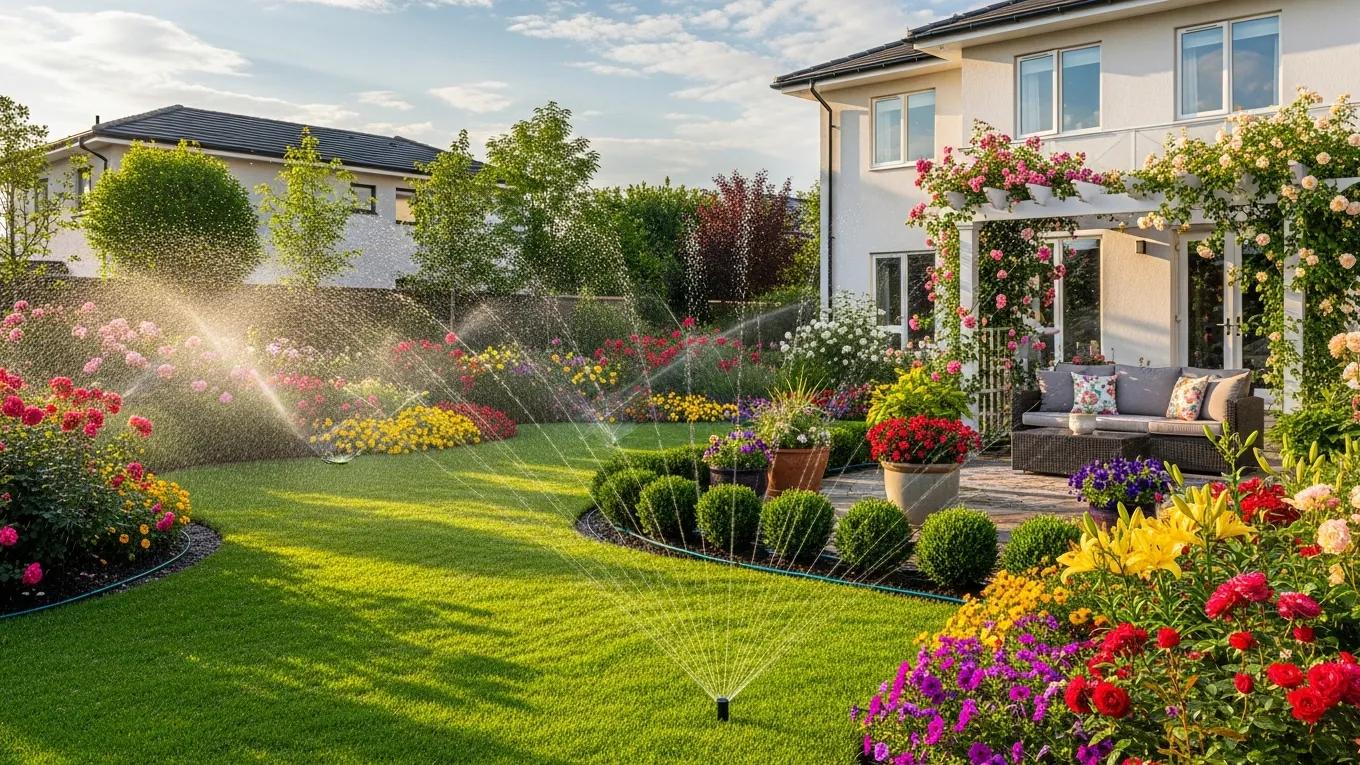
Professional Residential Irrigation Installation vs DIY: What Homeowners Need to Know
When it comes to maintaining a lush and vibrant landscape, homeowners often face the decision between professional residential irrigation services and do-it-yourself (DIY) solutions. Understanding the differences between these two approaches is crucial for making an informed choice that aligns with your needs and budget. This article will explore the key aspects of professional irrigation installation versus DIY methods, including cost considerations, effectiveness, required skills, and long-term maintenance implications. By the end, you will have a clearer picture of which option is best for your home and garden.
Comparison of Professional Residential Irrigation Installation vs. DIY Approaches
Choosing between professional residential irrigation installation and DIY methods involves weighing various factors. Professional services typically offer expertise and tailored solutions, while DIY approaches can provide cost savings and a sense of personal accomplishment. However, the effectiveness and long-term viability of each method can vary significantly.
Cost Considerations:
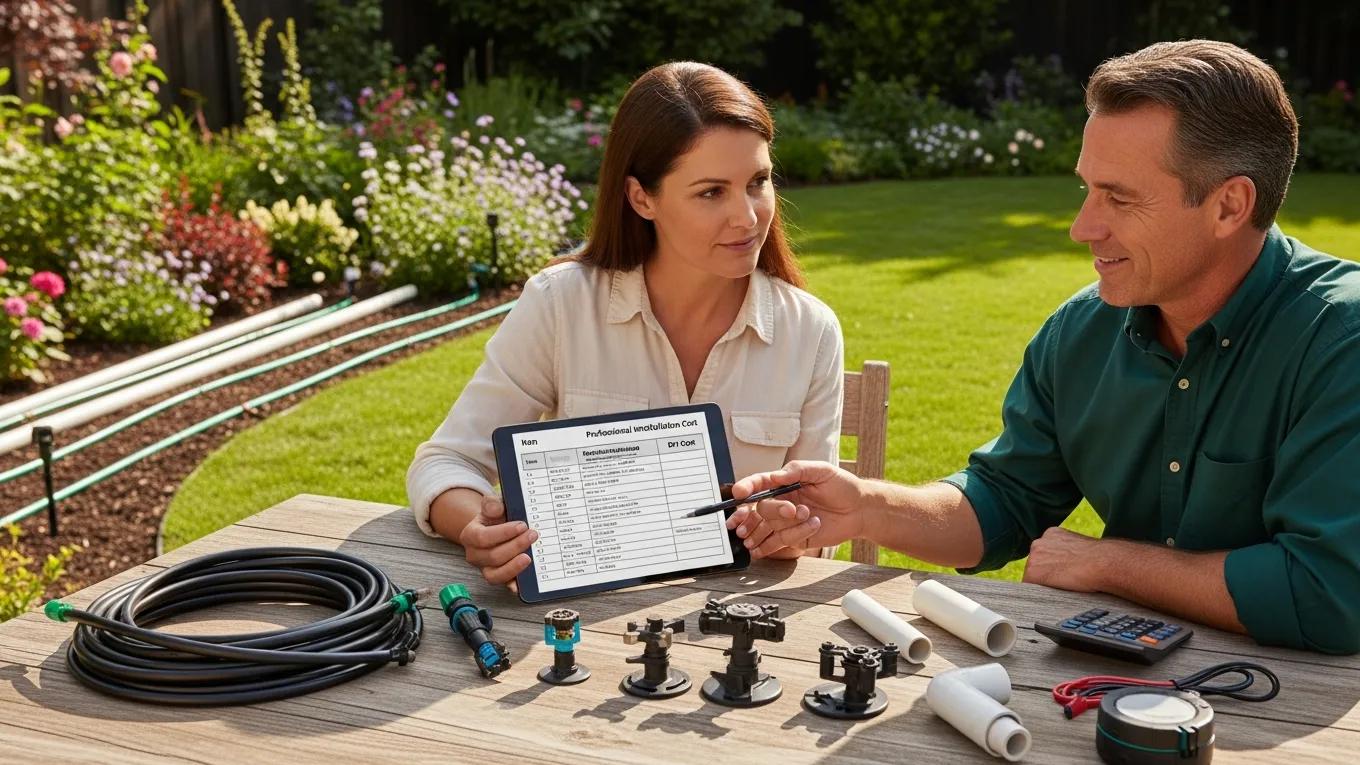
Cost is often a primary factor in deciding between professional and DIY irrigation systems. Professional installations may have higher upfront costs, but they often include warranties and expert guidance that can save money in the long run. DIY systems, while initially cheaper, can lead to unexpected expenses due to mistakes or inefficiencies.
- Initial Costs: Professional installations can range from $1,500 to $3,000 depending on the size and complexity of the system.
- Hidden Costs: DIY projects may seem economical, but hidden costs such as equipment rental, materials, and potential repairs can add up quickly.
- Long-term Savings: Investing in a professional system can lead to lower water bills and reduced maintenance costs over time.
Effectiveness:
The effectiveness of an irrigation system is crucial for maintaining a healthy landscape. Professional installations are designed with precision, ensuring optimal water distribution and efficiency. In contrast, DIY systems may lack the necessary design and planning, leading to uneven watering and potential plant stress.
- Customization: Professionals can tailor systems to meet specific landscape needs, ensuring that every plant receives the right amount of water.
- Common Issues: DIY installations often face challenges such as improper placement of sprinklers or inadequate coverage, which can harm plant health.
Required Skills:
Installing an irrigation system requires a certain level of skill and knowledge. Professionals bring years of experience and training, while DIY enthusiasts must rely on their research and basic plumbing skills.
- Expertise: Professional installers understand the nuances of water pressure, soil types, and plant needs, which can significantly impact system performance.
- Basic Skills for DIY: Homeowners attempting DIY installations should be comfortable with tools and have a basic understanding of irrigation principles.
Long-term Maintenance Implications:
Maintenance is a critical aspect of any irrigation system. Professional services often include ongoing support and maintenance plans, while DIY systems require homeowners to take full responsibility for upkeep.
- Ongoing Support: Professionals can provide regular maintenance checks, ensuring systems operate efficiently and effectively.
- DIY Responsibilities: Homeowners must be proactive in maintaining their systems, which can be time-consuming and may require additional costs for repairs.
What Are the Key Benefits of Professional Residential Irrigation Systems?
Investing in professional residential irrigation systems offers several advantages that can enhance the overall health and appearance of your landscape.
- Efficiency of Water Delivery: Professional systems are designed to minimize water waste, ensuring that plants receive the right amount of moisture.
- Customization Options: Experts can create tailored solutions that consider the unique needs of your landscape, including plant types and soil conditions.
- Long-term Cost Savings: While the initial investment may be higher, professional systems often lead to lower water bills and reduced maintenance costs over time.
For homeowners in Colorado, particularly in Longmont, The Landscape Company LLC specializes in residential landscaping services with a focus on irrigation solutions tailored for homeowners and businesses.
How Does Expert Installation Improve Water Efficiency and System Longevity?
Expert installation plays a vital role in enhancing the efficiency and longevity of irrigation systems. Professionals utilize advanced techniques and equipment to ensure optimal performance.
- Customized Design Benefits: A well-designed system considers factors such as plant placement, soil type, and local climate, leading to improved water efficiency.
- Proper Installation Techniques: Professionals ensure that all components are installed correctly, reducing the risk of leaks and system failures.
In What Ways Does Customized Design Enhance Your Outdoor Living Space?
Customized irrigation design not only improves water efficiency but also enhances the overall aesthetic of your outdoor living space.
- Tailored Watering Solutions: Customized systems can accommodate various plant types, ensuring that each area of your landscape thrives.
- Increased Property Value: A well-maintained landscape with an efficient irrigation system can significantly boost your property’s curb appeal and market value.
What Are the Pros and Cons of DIY Irrigation Systems?
DIY irrigation systems come with their own set of advantages and disadvantages that homeowners should consider.
- Cost-effectiveness of DIY: DIY systems can save money on installation costs, making them an attractive option for budget-conscious homeowners.
- Installation Challenges: However, without proper knowledge and experience, DIY installations can lead to inefficiencies and costly mistakes.
- Long-term Impacts: Poorly designed or installed systems may require frequent repairs and adjustments, negating initial savings.
What Are the Common Challenges Homeowners Face with DIY Installation?
Homeowners attempting DIY irrigation installations often encounter several common challenges that can complicate the process.
- Lack of Expertise: Many homeowners underestimate the complexity of irrigation systems, leading to mistakes that can be costly to fix.
- Ignoring Local Regulations: DIYers may overlook local regulations regarding water usage and irrigation practices, resulting in fines or system modifications.
- Maintenance Oversight: Without a clear maintenance plan, DIY systems can quickly fall into disrepair, leading to inefficient watering and plant health issues.
How Does DIY Compare to Professional Services in Cost and Performance?
When comparing DIY irrigation systems to professional services, it’s essential to consider both cost and performance.
- Cost Savings of DIY: While DIY systems may have lower upfront costs, they often lack the efficiency and effectiveness of professionally installed systems.
- Performance Risks of DIY: Homeowners may face performance issues due to improper installation or design, leading to wasted water and unhealthy plants.
- Long-term Benefits of Professional Services: Investing in professional services can lead to better performance, lower water bills, and a healthier landscape over time.
How Do Costs and Return on Investment Compare Between Professional and DIY Irrigation?
Analyzing the costs and return on investment (ROI) for both professional and DIY irrigation systems reveals significant differences.
- Initial Investment Differences: Professional installations typically require a higher initial investment, but they often provide better long-term value.
- Long-term Savings Potential: Homeowners who invest in professional systems may see a return on investment through reduced water bills and lower maintenance costs.
What Factors Influence the Cost of Residential Irrigation Services in Longmont?
Several factors can influence the cost of residential irrigation services in Longmont, including:
- Complexity of Installation: More complex systems require additional labor and materials, increasing overall costs.
- Water Conservation Technologies: Incorporating advanced technologies, such as smart controllers, can enhance efficiency but may also raise initial costs.
How Can Professional Installation Lead to Long-Term Savings?
Professional installation can lead to long-term savings in several ways:
- Cost Benefits of Professional Systems: Efficient systems reduce water waste, leading to lower utility bills.
- Maintenance Efficiency: Professionals can identify and address potential issues before they become costly problems, ensuring systems operate at peak efficiency.
What Maintenance Practices Ensure Optimal Performance of Your Irrigation System?
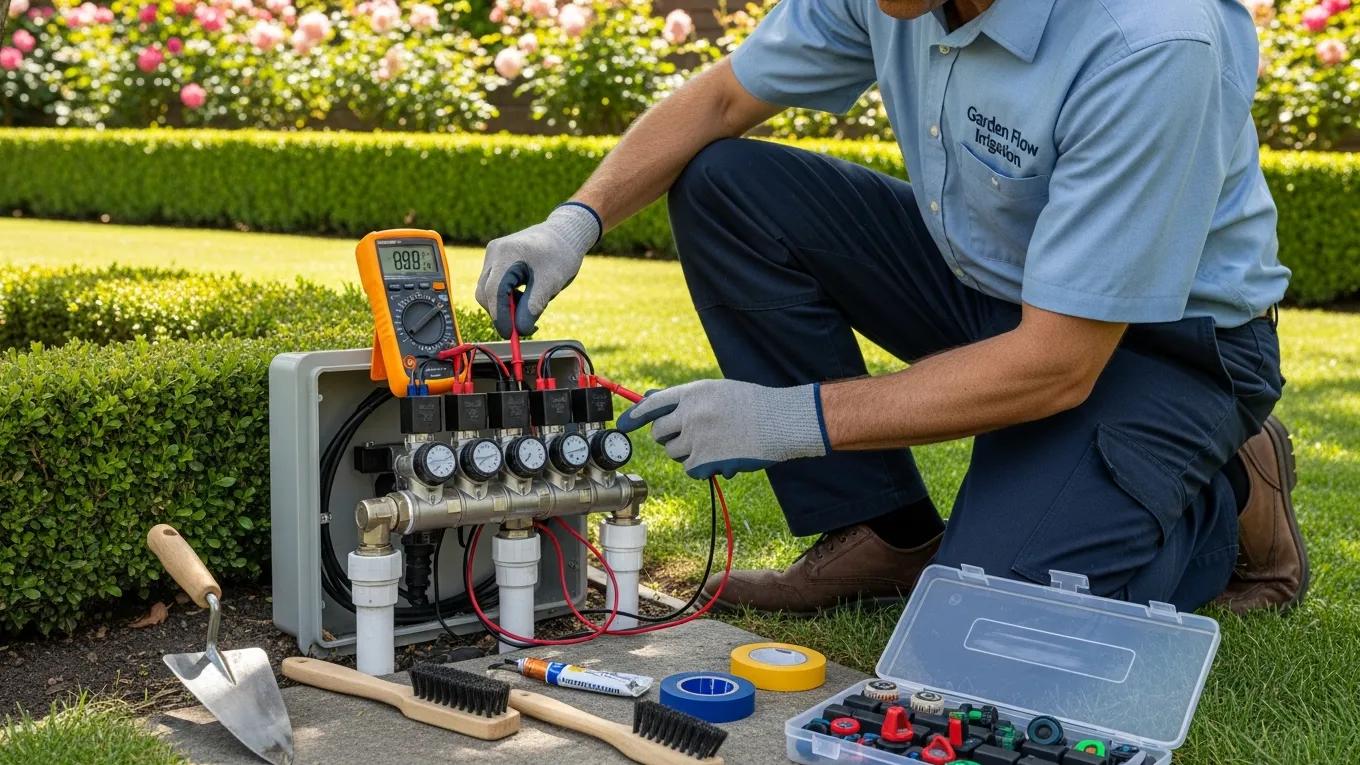
To ensure optimal performance of your irrigation system, regular maintenance practices are essential.
- Routine Checks: Regular inspections can identify leaks, clogs, and other issues that may affect system performance.
- Cleaning and Adjustments: Keeping components clean and properly adjusted can enhance efficiency and prolong the life of the system.
How Can Regular Maintenance Prevent System Inefficiency and Repairs?
Regular maintenance is crucial for preventing inefficiencies and costly repairs in irrigation systems.
- Checking for Leaks: Identifying and repairing leaks promptly can save water and reduce utility costs.
- Cleaning Filters and Nozzles: Regular cleaning of filters and nozzles ensures that water flows freely and efficiently, preventing clogs and system failures.
What Are Smart Irrigation Technologies and Their Role in Water Conservation?
Smart irrigation technologies play a significant role in modern irrigation practices, enhancing efficiency and promoting water conservation.
- Real-time Data Usage: Smart controllers utilize real-time data to adjust watering schedules based on weather conditions, ensuring optimal water usage.
- Water Conservation Statistics: Implementing smart technologies can lead to significant reductions in water consumption, benefiting both the environment and homeowners’ wallets.